Mila 23 is a small and chic village right in the heart of the Danube Delta. If you want to find out what it feels like to live completely surrounded by water, than this is the place to visit.
Without winning too many points for originality, the village has this name because the Sulina channel measured exactly 23 miles at this point(measured from the river’s mouth) following its old course, before the European Commission of the Danube straightened it over a century ago. If you take a look at the map of the Danube Delta, you’ll notice a huge “M” right in the center.
The only way to get here is by boat, making it the perfect retreat for a nature enthusiast or somebody who simply wants to get away from the busy life of the city.
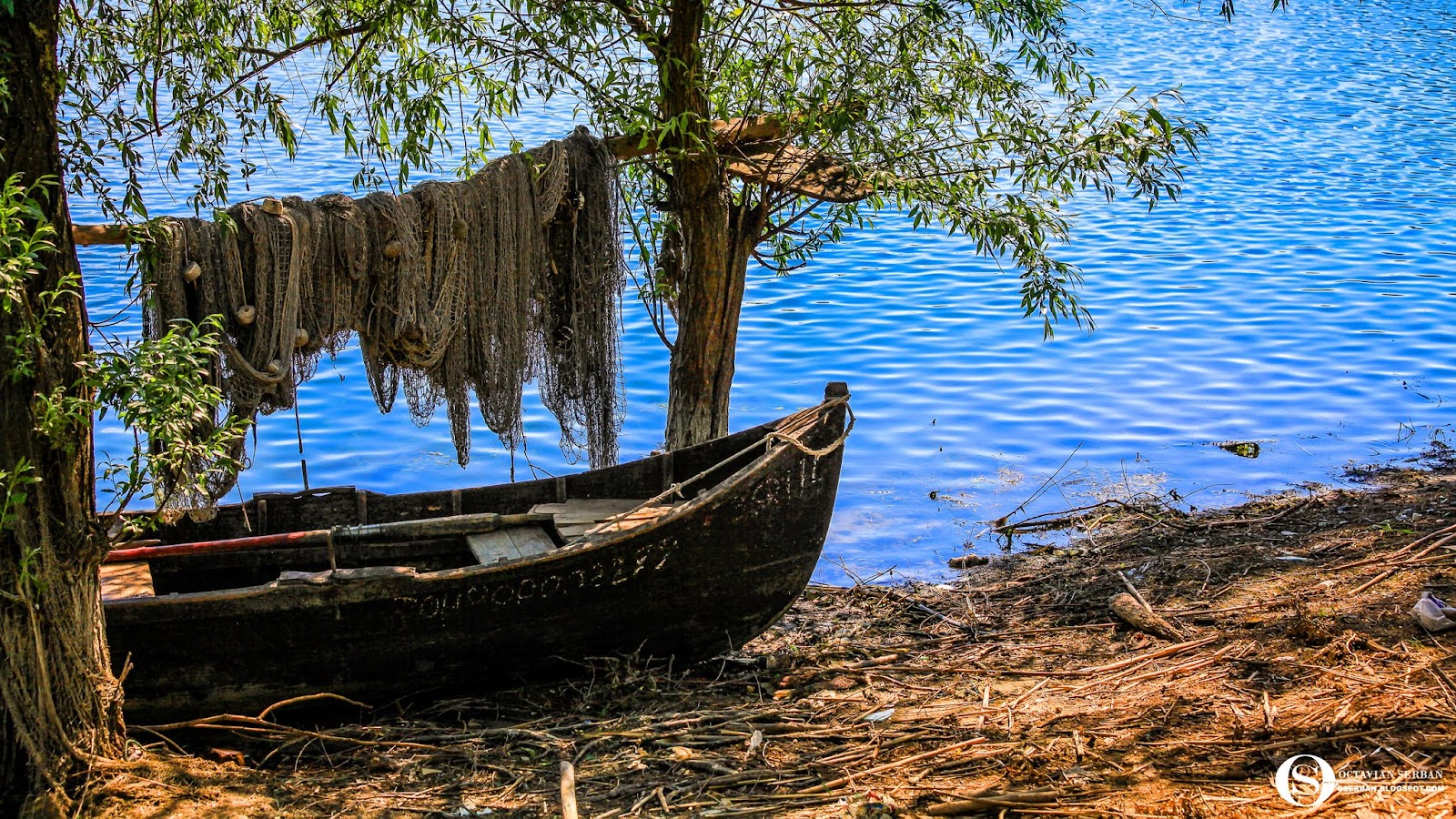
The villagers are mostly Lipovans, Russians, Ukrainians and who support themselves through fishing. The Lipovans were the ones who founded the village in the early nineteenth century and they currently represent about two thirds of the population
They completely blend in with the surrounding scenery and you can easily see this from the way they use and respect everything that they get from nature.
( http://www.wild-danube-delta.com/mila-23 )
Without winning too many points for originality, the village has this name because the Sulina channel measured exactly 23 miles at this point(measured from the river’s mouth) following its old course, before the European Commission of the Danube straightened it over a century ago. If you take a look at the map of the Danube Delta, you’ll notice a huge “M” right in the center.
The only way to get here is by boat, making it the perfect retreat for a nature enthusiast or somebody who simply wants to get away from the busy life of the city.
The villagers are mostly Lipovans, Russians, Ukrainians and who support themselves through fishing. The Lipovans were the ones who founded the village in the early nineteenth century and they currently represent about two thirds of the population
They completely blend in with the surrounding scenery and you can easily see this from the way they use and respect everything that they get from nature.
( http://www.wild-danube-delta.com/mila-23 )